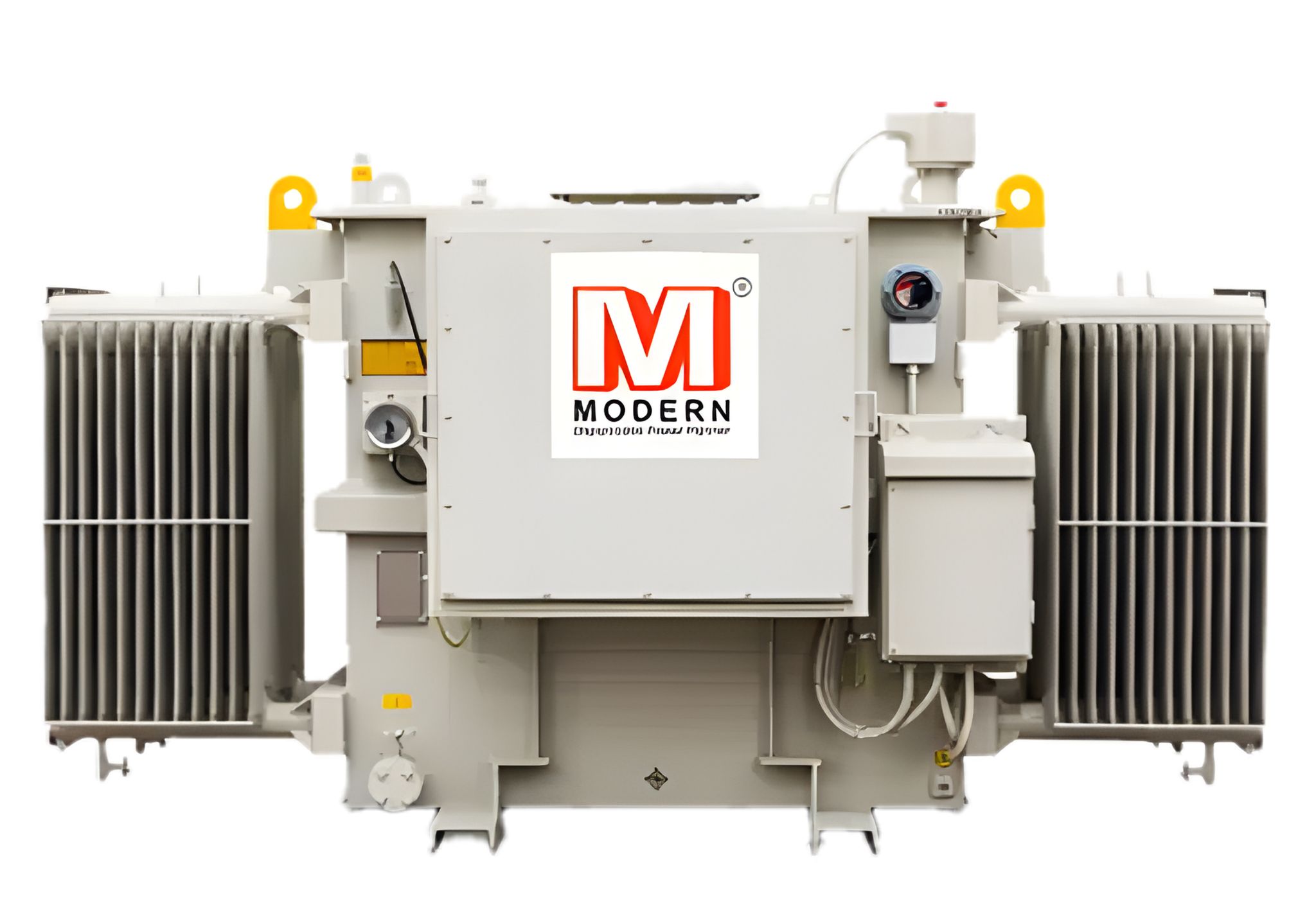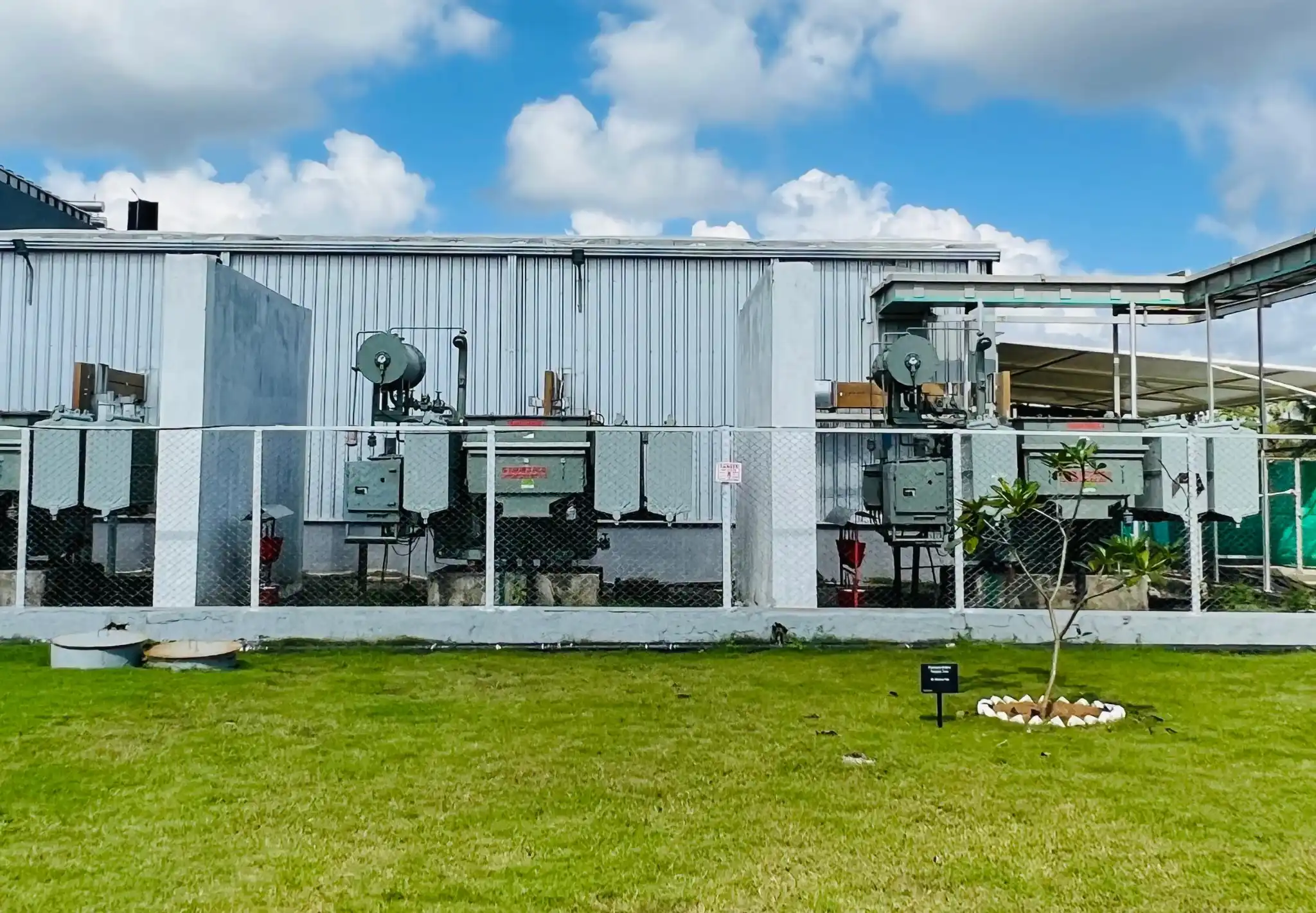

Transformer rental is a straightforward way to address voltage incompatibility on a project site without investing in permanent infrastructure. We supply transformers across a wide capacity range, supported by delivery, installation, and commissioning. Whether it's matching generator output to site distribution, stepping up for long cable runs, or providing isolation for sensitive equipment, we have the right unit.
When your temporary power source runs at a different voltage than your facility's distribution system, you need a transformer in the chain. We provide rental transformers from 100 kVA to 6300 kVA, sized and configured to work with our generator fleet and your existing electrical infrastructure.
Our transformers are used alongside diesel generators, UPS systems, battery systems, motors, and pumps wherever you need stable, correctly stepped voltage for sensitive or critical equipment.
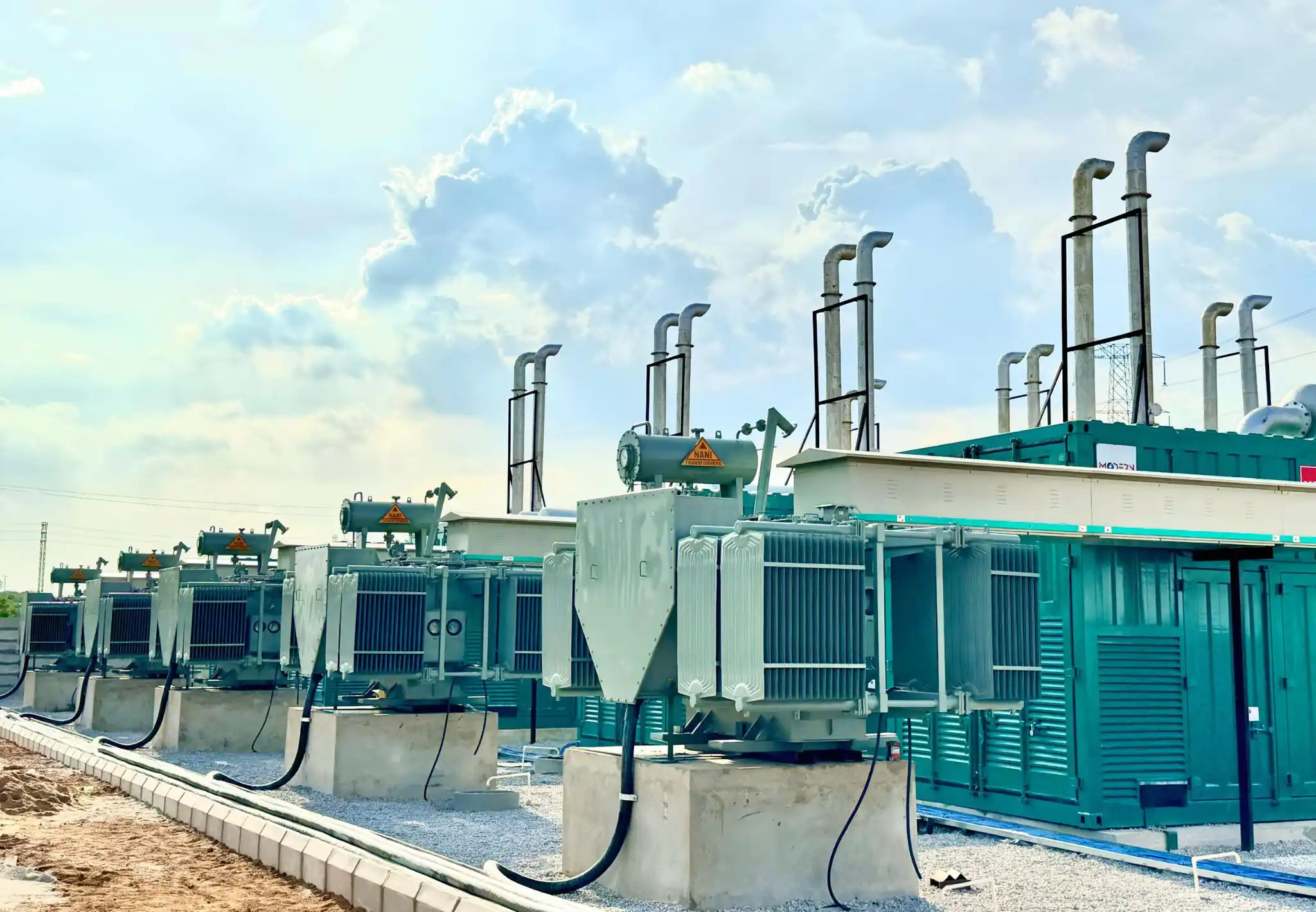
Our natural gas generators operate on “lean burn” fuel technology, ensuring maximum electrical and thermal efficiency, high reliability, and availability. The use of natural gas as a fuel source brings several advantages to your industrial operations.
Efficient Load Management and Voltage Regulation with Our Transformers
Our transformer rentals are designed to efficiently manage power loads and regulate voltage, ensuring stable and reliable power distribution. Whether you need to power essential equipment or manage varying loads during testing and operation, our transformers are up to the task.
Safety Guidelines and Compliance for Transformer Rental
Safety is our top priority at Modern Hiring Service. Our transformer rentals comply with industry standards and regulatory guidelines, and our team of professionals ensures proper installation and maintenance to guarantee safe and secure operations.
• Capacity range: 100 kVA to 6300 kVA
• Oil-cooled and dry-type variants available
• Standard voltage ratios for industrial and commercial applications
• Suitable for both indoor and outdoor installation
• Compliant with applicable Indian and international standards