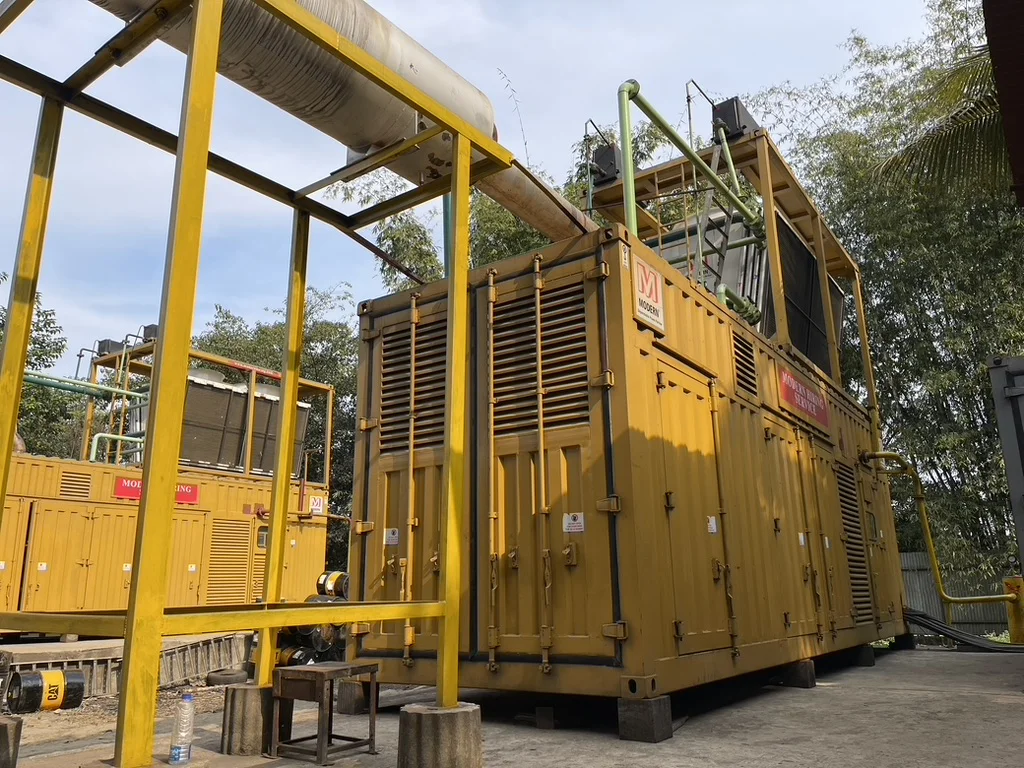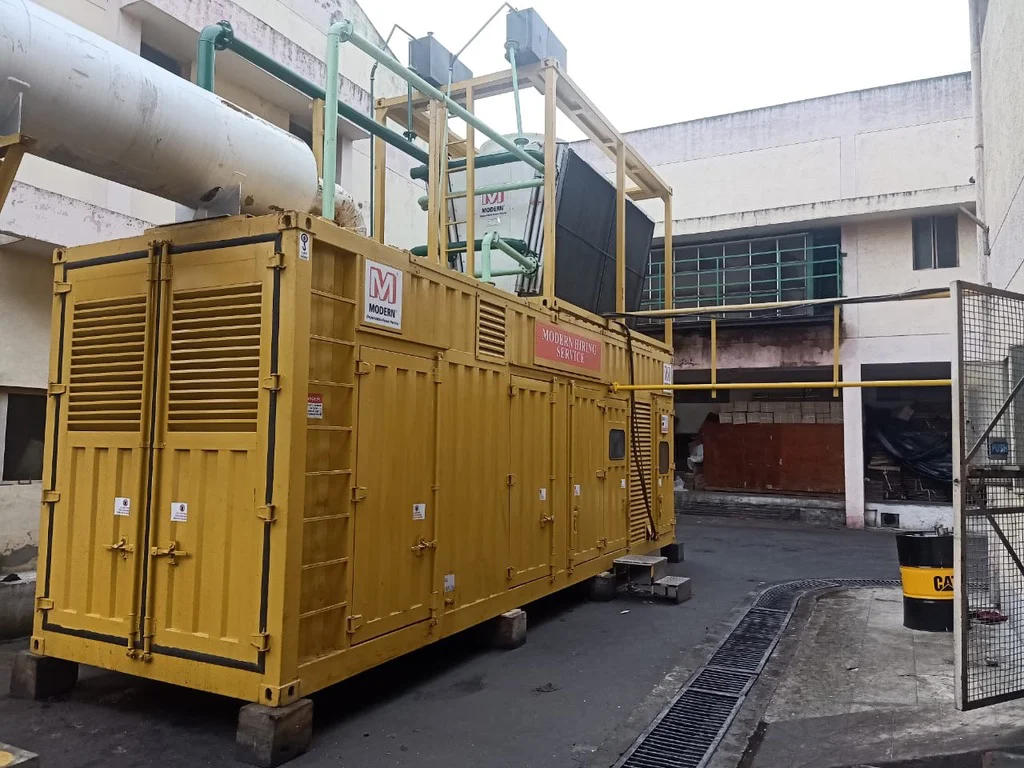

Gas generators are a practical power choice for sites where natural gas is readily available and lower emissions matter. Our fleet operates on lean-burn technology that improves fuel efficiency while reducing exhaust output compared to conventional units, making them ideal for industrial plants, co-generation projects, and long-duration power applications.
If your business relies on a steady gas supply and you're looking to cut emissions or manage fuel costs, our natural gas generators could be a good fit. Compared to diesel generators, they produce significantly less pollution. Plus, with the latest control systems, they offer reliable performance for ongoing industrial applications.
For facilities connected to natural gas supply, our generators provide a cleaner and more fuel-efficient option than diesel. We offer rental gas generators from 50 kVA to 1500 kVA, built with lean-burn technology that delivers strong electrical efficiency while keeping emissions significantly lower.
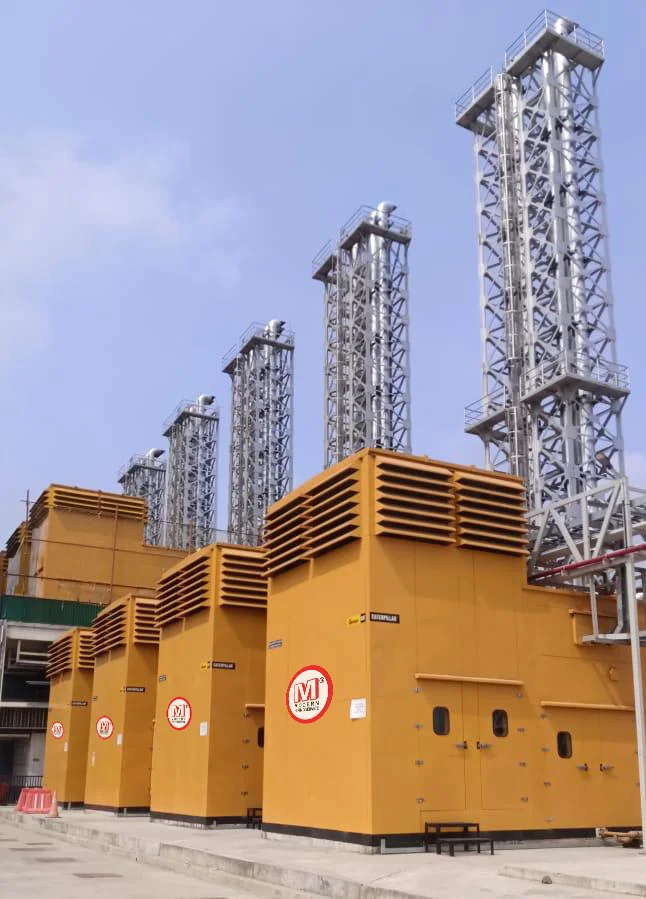
Our natural gas generators run on lean-burn fuel technology, which helps deliver strong electrical and thermal efficiency along with reliable, consistent performance. Using natural gas as the primary fuel source can bring several practical advantages to industrial operations, particularly where long operating hours and dependable power are required.
Environmentally Friendly
Because natural gas burns cleaner than many conventional fuels, it produces fewer harmful emissions during operation. This makes it a more environmentally responsible option for facilities that want to reduce their environmental impact while still maintaining dependable power generation for industrial activities.
Reduced Maintenance
Natural gas burns more cleanly, which means less carbon buildup inside the engine over time. With fewer deposits forming on internal components, engine wear is reduced and maintenance needs are typically lower. This can help reduce operating costs while keeping equipment available for longer periods.
•Output range: 50 kVA to 1500 kVA
•Lean-burn technology for improved efficiency and reduced emissions
•Compatible with natural gas and biogas fuel sources
•Suitable for continuous duty and co-generation applications
•Synchronization-capable for parallel configurations